
Call Us Today07379 221549
Email Usinfo@dryrotessex.co.uk
Areas We CoverAll Essex Areas
Get A Free Quote
Email Usinfo@dryrotessex.co.uk
Areas We CoverAll Essex Areas
Get A Free Quote
⌖Covering All Essex Areas
Timber preservation in Essex helps protect suitable timber from avoidable deterioration and supports the long-term condition of a property. Timber preservation helps protect suitable timber from avoidable deterioration and supports the long-term condition of a property. If you are concerned about damp, fungal decay or the condition of structural and joinery timber, Dry Rot Essex can help you understand what needs investigating and which remedial steps may be appropriate.
Every building is different, so preservation work should follow an assessment of the timber, moisture conditions and likely cause of the problem. Where damp is a concern, our moisture investigation service can help identify what needs addressing before preservation work is planned. Call 07379 221549 to discuss your property in Essex.
Timber preservation is not a single treatment that suits every situation. Depending on the condition and use of the timber, the appropriate plan may include identifying and correcting moisture problems, removing material that is beyond repair, replacing damaged sections, improving relevant building details and considering suitable protective measures where recommended.
The aim is to deal with the factors contributing to deterioration rather than relying on a surface application alone. Any treatment should be chosen for the specific timber, building conditions and diagnosed issue.
It may be worth arranging an assessment if you notice:
These signs do not confirm a particular cause by themselves. Wet rot, dry rot, insect activity and non-biological damage can overlap in appearance, so the condition should be assessed before work is specified.
Excess moisture can contribute to timber decay and undermine the effectiveness of remedial work if its source remains unresolved. Possible contributors include plumbing leaks, defective gutters or downpipes, water entering through the building fabric, ground moisture and inadequate ventilation in particular areas.
Where decay is suspected, our dry rot inspection service and dry rot surveys in Essex can help assess visible signs and determine what further investigation may be useful. If dry rot treatment is indicated, see our dry rot treatment service.
A practical preservation plan begins by identifying the affected timber and reviewing the surrounding conditions. The next steps may include checking accessible areas, establishing whether moisture is still present, deciding whether timber can remain in place, and defining any repair, replacement or treatment work that is justified by the findings.
Hidden timber may need further access before its condition can be confirmed. The scope, sequence and disruption of any work should be explained before it starts, especially where floors, finishes or occupied areas are involved.
We welcome enquiries from across Essex, including Chelmsford, Colchester, Braintree, Brentwood, Maldon, Rayleigh, Rochford, Southend-on-Sea, Wickford, Witham, Epping, Loughton and Waltham Abbey. Contact us to confirm availability and arrangements for your location.
View our areas covered across Essex or return to the Dry Rot Essex homepage for an overview of our services.
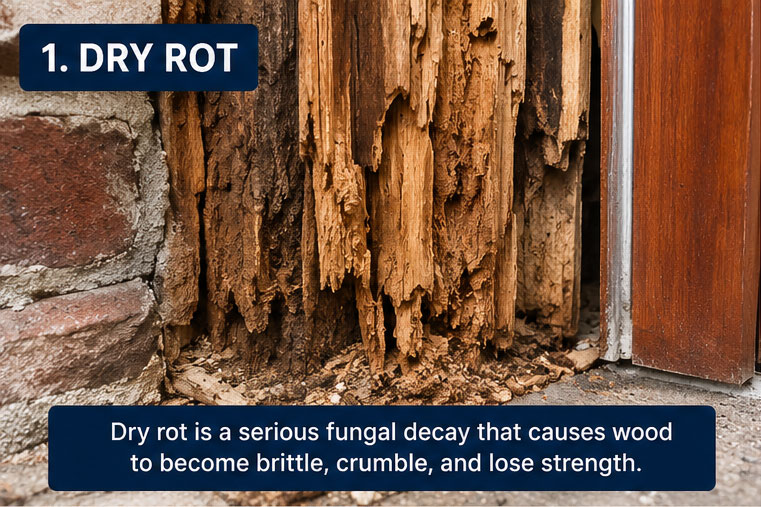
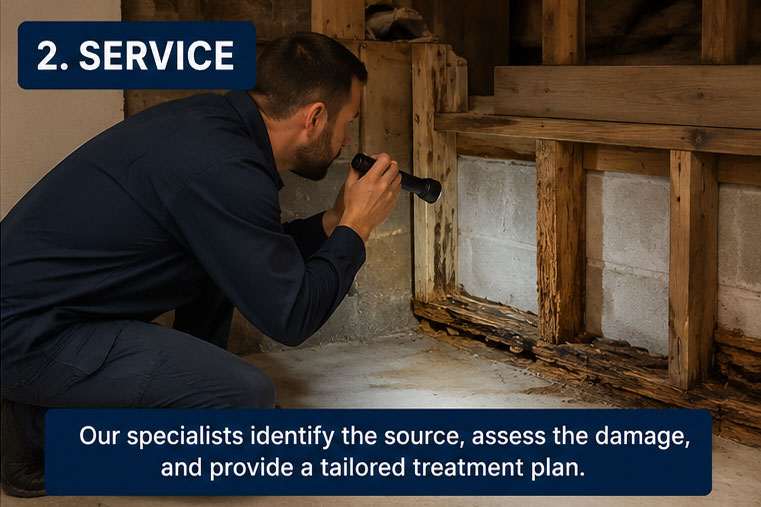
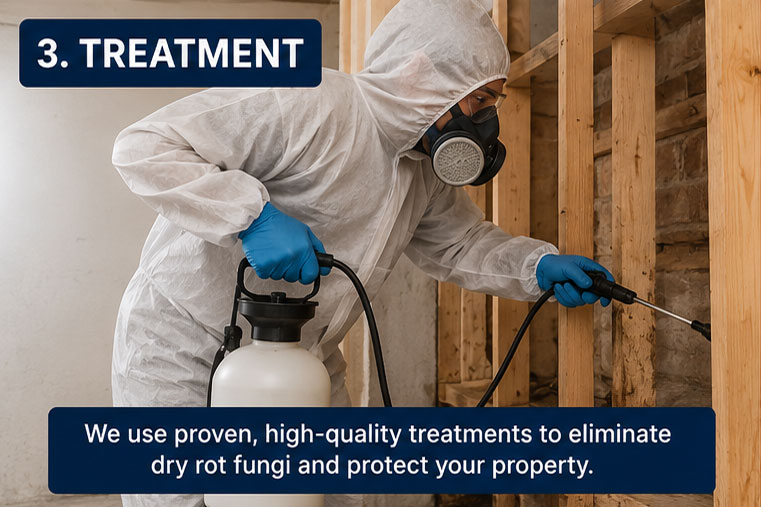
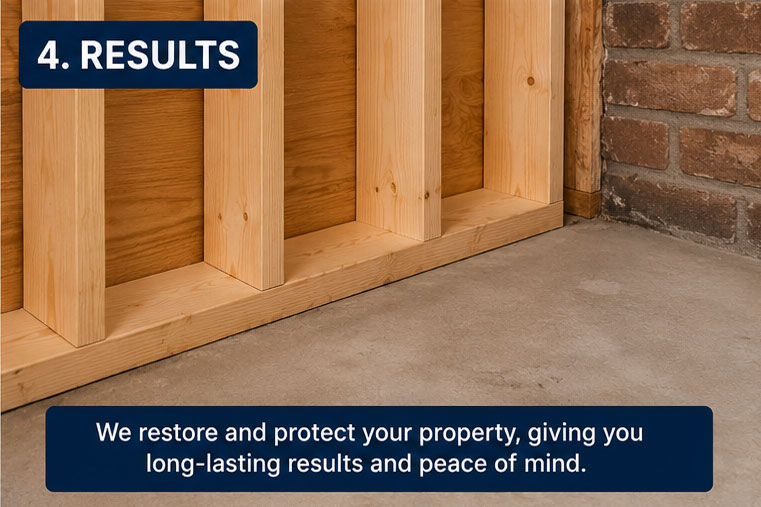
No. The right approach depends on the cause and extent of the problem, the timber’s condition and the building environment. Repair, replacement or moisture correction may be more relevant in some situations.
No treatment can guarantee that timber will never deteriorate. Managing moisture, maintaining the building and choosing appropriate remedial measures can help reduce avoidable risks.
It is best to establish the likely cause and condition first. The assessment can help determine whether timber may be retained, repaired or needs replacement.
Call 07379 221549 and describe the affected area, the symptoms and any history of leaks or damp.
Tell us what you have noticed, where the timber is located and whether moisture has been an issue. We can discuss a suitable assessment and the possible next steps for the property.
Call 07379 221549 or use our contact page to make an enquiry.